
Low-Maintenance Perimeter Systems That Don't Require Staining
Composite Fence Installation in Anderson for homeowners upgrading from wood fences that demand regular maintenance
Composite fencing materials combine wood fibers with polymer resins to create boards that resist moisture absorption, insect damage, and ultraviolet degradation without the annual sealing or staining that wood requires. The material comes in consistent colors and textures because it's manufactured rather than milled from logs, which means no knots, splits, or grain variation across the fence line. T&L Services installs composite privacy fences in Anderson for properties where long-term maintenance costs outweigh the higher initial material investment compared to natural wood options.
This fencing solution addresses problems like rotting boards at the soil line, warped pickets that create gaps in privacy screens, or the ongoing labor of sanding and refinishing wood fences every few years. Composite boards don't absorb water the way wood does, so they won't swell during rainy periods or shrink during dry spells, which keeps the fence line uniform without the buckling or cupping that natural lumber develops over time.
Request a material sample review to compare composite color options and surface textures for your property.
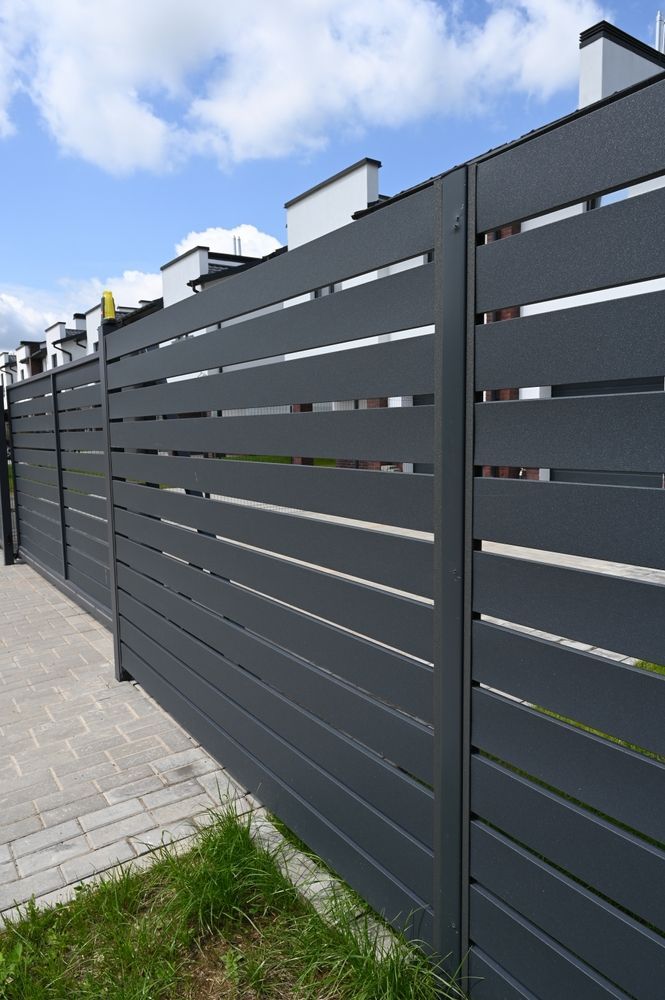
What Changes After Composite Fencing Is Installed
Composite fence systems use aluminum or steel posts sleeved with matching composite covers, creating a framework that doesn't rust or rot even when water collects at the post bases. The horizontal rails snap or slide into place within the posts, and composite boards insert into channels in the rails rather than being nailed directly to wood framing. This interlocking design allows for slight expansion and contraction without putting stress on fasteners, which is why composite fences don't develop the nail pops and loose boards that wood fences show after a few seasons.
Once installed by T&L Services, the fence maintains its color without fading to gray the way untreated wood does, and surface cleaning requires only water and mild detergent rather than strippers and stains. You won't see the soft spots or splintering that happen when wood starts breaking down, and the fence won't attract carpenter bees or other insects that bore into natural lumber. The boards flex slightly on impact rather than cracking, so blown debris or accidental contact doesn't create permanent damage that requires board replacement.
Composite fencing works for privacy screens, decorative accents, and security applications where weather exposure would quickly degrade wood. The material weighs more than wood boards, which requires properly rated posts and deeper footings to handle the load without settling. Color choices include grays, browns, and tans that mimic natural wood tones, and the surface texture ranges from smooth to embossed wood grain patterns depending on the product line selected.
Answers to Frequent Service Questions
Composite fence projects involve decisions about material grades, structural design, and performance expectations that differ from traditional wood fence installations.
What makes composite fencing more expensive than wood initially?
Composite materials cost more per linear foot because the manufacturing process combines wood fibers with polymer binders and UV inhibitors, but the fencing eliminates ongoing maintenance expenses like staining, sealing, and board replacement that wood requires.
How does composite fencing perform in Anderson's climate?
The material handles humidity and temperature swings without the swelling, shrinking, or rot issues that affect wood, and the polymer content prevents moisture absorption that causes warping during seasonal weather changes common in Upstate South Carolina.
Why do some composite fences use metal posts instead of composite posts?
Aluminum or steel posts provide superior strength for supporting the weight of composite boards, which are denser than wood, and the metal framework prevents the leaning or sagging that can occur with hollow composite posts over time.
What's included in a complete composite fence installation?
The project includes setting metal posts in concrete footings, installing aluminum or composite rails, inserting composite boards into the rail system, mounting gates with corrosion-resistant hardware, and adding post caps to prevent water entry.
When does it make sense to upgrade from wood to composite?
Replacement with composite is practical when your existing wood fence needs major repairs, when you want to eliminate ongoing maintenance, or when you're installing new fencing and plan to stay in the property long enough to recover the higher upfront cost through avoided maintenance.
T&L Services handles composite fence installations for residential properties throughout Anderson, from full perimeter enclosures to pool surrounds and garden partitions. Schedule an estimate appointment to review product options and design configurations that fit your site conditions and aesthetic preferences.