
Complete Perimeter Solutions From Layout to Final Gate
Fence Installation & Replacement in Anderson for properties with damaged sections or no existing boundary structure
Properties without secure fencing face issues like undefined boundaries, lack of privacy from neighboring lots, and no containment for pets or children using the yard. T&L Services provides complete fence construction in Anderson that starts with layout planning to accommodate property lines, grade changes, and existing structures like utility boxes or drainage easements. New installations involve setting posts at consistent intervals, building level rail sections that follow the ground contour, and hanging gates that swing freely without dragging on pavement or binding in the frames.
Replacement projects begin with removing deteriorated fencing, including extracting old posts and concrete footings that interfere with new post placement. The service addresses fences that lean due to rotted posts, sections with missing or broken boards, and gate frames that no longer close properly because the structure has shifted. Both wood and composite material options are available depending on maintenance preferences and budget constraints for the project.
Arrange a site visit to assess property conditions and discuss material options for your fence project.
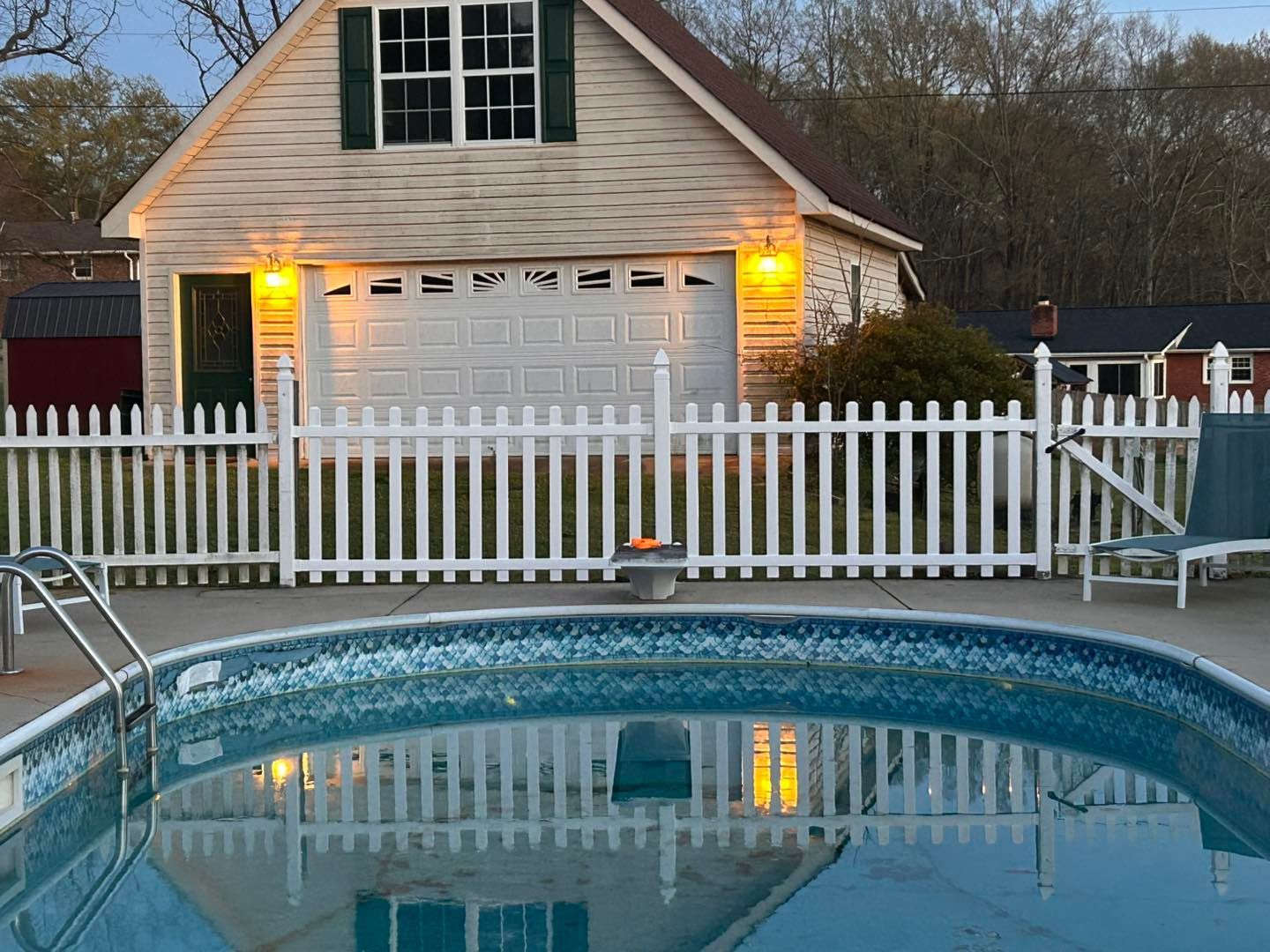
What Proper Fence Construction Involves
Professional fence installation accounts for factors like post spacing to prevent rail sag, footing depth to resist frost heave, and fastener selection to match the fence material. Posts are set in concrete footings that extend below the frost line, typically thirty inches deep in the Anderson area, so seasonal ground movement doesn't push posts out of alignment. The distance between posts affects how much the horizontal rails flex under load, which is why six-foot to eight-foot spacing is standard for privacy fences while decorative fences with lighter pickets can use wider spans.
After T&L Services completes the work, you'll notice posts that stand plumb without leaning, rail sections that remain level across the fence line, and pickets or boards installed with consistent spacing. Gates operate smoothly because the posts are braced to handle the leverage force from repeated opening and closing. The fence follows property lines accurately, maintains consistent height even across sloped ground, and includes corner bracing or tension supports where the fence changes direction.
Removal of existing fencing includes disposal of old materials, extraction of buried concrete, and site cleanup so the yard is ready for the new installation. Custom layouts accommodate obstacles like trees, existing hardscaping, or utility equipment that can't be relocated. The finished fence provides immediate improvements in privacy, security, and property definition compared to open or deteriorated perimeter conditions.
What Property Owners Usually Ask
Fence installation and replacement projects raise questions about material selection, site preparation, and design choices that affect how the fence performs over time.
What's the difference between installing a new fence and replacing an existing one?
New installations start with a clear site and require layout planning and post placement based on property lines, while replacements involve removing old materials and footings before rebuilding, which sometimes reveals grade issues or obstacles that affect the new design.
How deep should fence posts be set in Anderson?
Posts typically need footings that extend at least thirty inches deep to get below the frost line and prevent seasonal ground movement from pushing posts out of alignment, with larger diameter footings for corner posts and gate supports that handle more stress.
Why do some fences follow the ground while others step down slopes?
Racked fences follow the slope with each section angled to match the grade, which works for open rail designs, while stepped fences use level sections that drop in height at each post, creating a stair-step profile that's required for privacy fences with vertical boards.
What material works best for residential fencing?
Cedar offers natural rot resistance and appearance, pressure-treated lumber provides durability at lower cost, and composite eliminates maintenance but costs more initially, so the choice depends on budget and how much ongoing upkeep you're willing to perform.
When is the best time to schedule fence installation?
Spring and fall offer moderate temperatures that make installation easier and allow concrete footings to cure properly, though fencing can be installed year-round in Anderson's climate as long as the ground isn't frozen solid.
T&L Services manages residential and commercial fence projects throughout Anderson, handling everything from property line surveys to final gate adjustments. Contact us for a detailed project estimate that includes material recommendations and layout options specific to your site.