
Floors Designed to Last Through Daily Use
Flooring Installation Services in Anderson for residential spaces needing durable surfaces that handle traffic without showing wear patterns within the first few years
Floors take constant impact from foot traffic, furniture movement, and dropped objects, which is why material selection matters as much as installation technique. T&L Services installs hardwood, laminate, and luxury vinyl plank flooring in Anderson, with material recommendations based on the room's moisture exposure, traffic level, and subfloor condition. The installation process includes removing old flooring, preparing the subfloor to meet flatness and moisture requirements, and securing the new material using methods that prevent movement and noise.
Flooring installation starts with subfloor assessment—any high spots get ground down, low spots are filled with leveling compound, and moisture levels are tested to confirm they fall within the flooring manufacturer's acceptable range. Hardwood requires acclimation to the room's humidity level before installation to prevent gapping or cupping after it's nailed down. Luxury vinyl plank installs over existing subfloors as long as the surface is smooth and clean, while laminate needs underlayment to reduce noise transmission and provide a moisture barrier between the flooring and the subfloor.
Arrange an on-site consultation to evaluate your subfloor condition and discuss flooring options that match your space's specific use patterns.
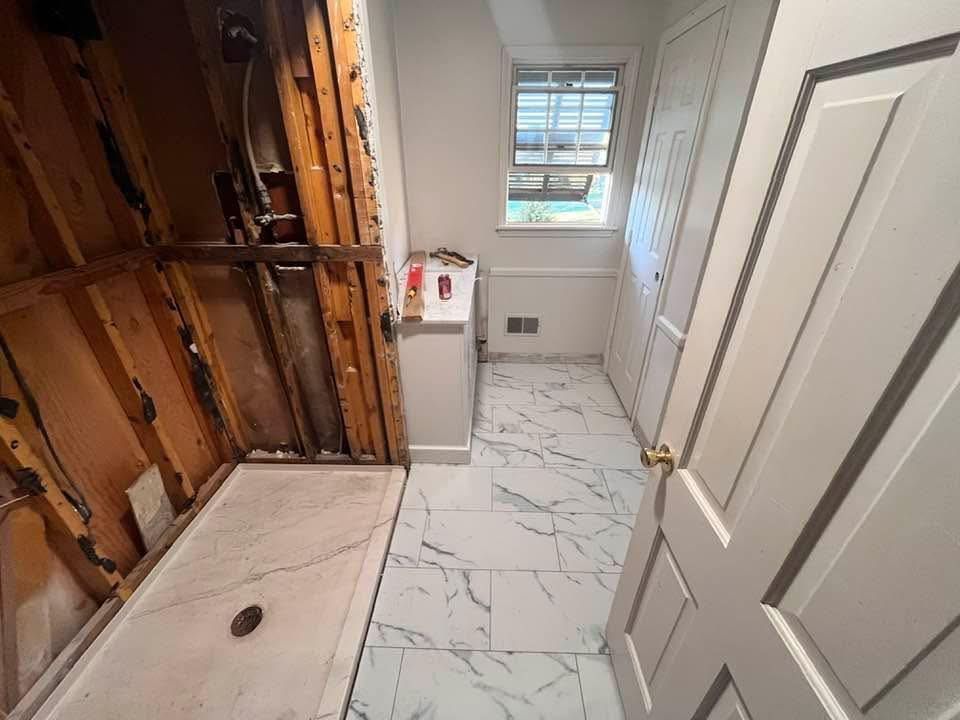
What Changes After Flooring Installation Completes
Each flooring type installs differently—solid hardwood is face-nailed or stapled to the subfloor, engineered hardwood and luxury vinyl plank typically float over underlayment with click-lock edges, and some vinyl products use adhesive for permanent installation in high-moisture areas. T&L Services matches the installation method to the product specifications and room conditions, which prevents failures like lifted planks or gaps that develop when flooring moves with humidity changes. Transitions between rooms require thresholds or reducers that accommodate height differences and allow for expansion space.
Once installation is finished, the floor surface becomes level and solid underfoot without the flex or hollow sound that indicates poor subfloor preparation. Hardwood provides a consistent grain pattern and finish across the room, while luxury vinyl plank offers waterproof protection in kitchens and bathrooms where spills are common. The floor no longer shows the scratches, stains, or worn traffic paths that made the previous surface look aged, and furniture sits level without rocking on uneven boards.
Flooring installations also address squeaks caused by loose subfloor panels or joists, which are screwed down before the new flooring is installed. Some projects involve installing new baseboards or quarter-round trim to cover expansion gaps around the room perimeter, which are necessary for floating floors that need space to move with seasonal humidity changes.
Questions Before Starting Your Project
Homeowners in Anderson typically need guidance on material durability, moisture considerations, and installation requirements before selecting flooring products.
What flooring material works best in high-moisture areas?
Luxury vinyl plank is fully waterproof and handles bathroom or kitchen moisture without the swelling or delamination that damages laminate, while engineered hardwood offers better moisture resistance than solid wood but still requires controlled humidity levels.
How do you prepare subfloors before installation?
The subfloor must be clean, dry, and flat within 3/16 inch over a ten-foot span—any deviations get corrected with grinding or leveling compound, and moisture levels are tested using a meter to confirm they meet the flooring manufacturer's requirements.
What causes hardwood floors to develop gaps or cupping?
Gaps occur when wood loses moisture and shrinks during dry winter months, while cupping happens when boards absorb moisture and the edges rise higher than the center—both issues are controlled by maintaining consistent indoor humidity between 35 and 55 percent year-round.
How long does flooring installation take for a typical room?
Installation time depends on the room size and flooring type, but most single-room projects take one to two days including subfloor prep, flooring installation, and trim work, assuming no major subfloor repairs are needed.
What maintenance do different flooring types require?
Hardwood needs periodic refinishing when the finish wears through to bare wood, laminate requires only sweeping and damp mopping without excessive water, and luxury vinyl plank is maintained with regular cleaning and does not need refinishing or sealing.
T&L Services installs flooring with attention to subfloor preparation and material-specific requirements that prevent common failures. Schedule a property evaluation to review flooring options and the condition of your existing subfloors before moving forward with installation.